
Dmitry Vinogradov
Dmitry Vinogradov
In the last week(s), we have put on tactical hedges/shorts across our portfolio. 1% of total equity capital is an S&P index put spread. If we get a 4-8% pullback it has an EV (expected value of ~5.61X – 461%). So far it is unprofitable. Another 1% of total equity is a put spread on the semiconductor index. If we get a 4-8% pullback on that sector it has an EV (expected value of ~5.74X – 474%). So far it is almost a double.
The remainder of our assets are long. So how can you be bullish (long) and bearish (protective short) at the same time?
The answer is, the odds favor a short term pullback, but none of our active positions are at/above fairly/fully valued (so we ignore the short term noise and do not create unnecessary tax events in the name of short term volatility). The several that were (fully valued) – we harvested profits and re-allocated to new opportunities (companies) that are just beginning their recovery and have (double+ – multi-bagger) EV (expected values) over the next 12-48 month time-frame.
The purpose of the 2% of leveraged hedges/shorts are to 1) dampen volatility for clients if we do get a market pullback, but more importantly, 2) create ~10% of NEW FREE capital to go LONG with at the trough of the pullback. That 2% of quantified “risk” could lead to as much as 20%+ of excess returns by year-end if it plays out.
On the flip side, if the hedges/shorts “fail” that means the remaining 98% of the portfolio is appreciating (likely at a pace greater than the general indices due to higher beta, modest derivative overlay, and plain old good stock analysis). In other words, the 2% “lost” will be earned back through excess return if the market continues to climb.
StockCharts StockCharts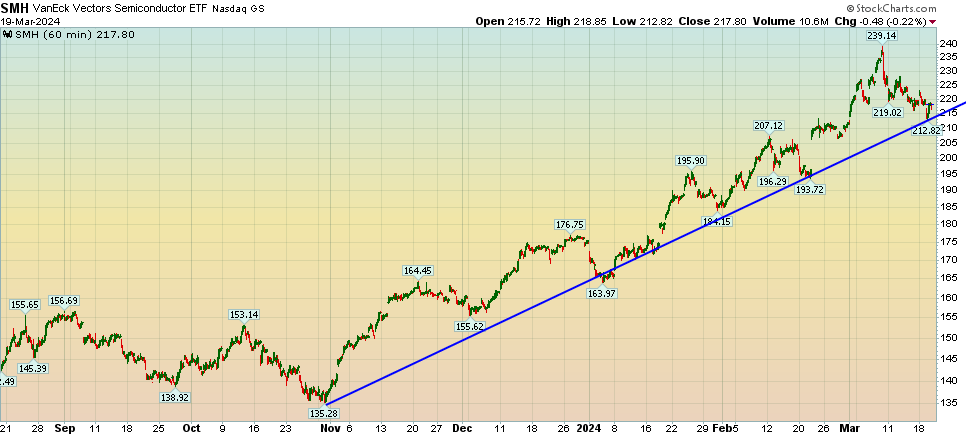
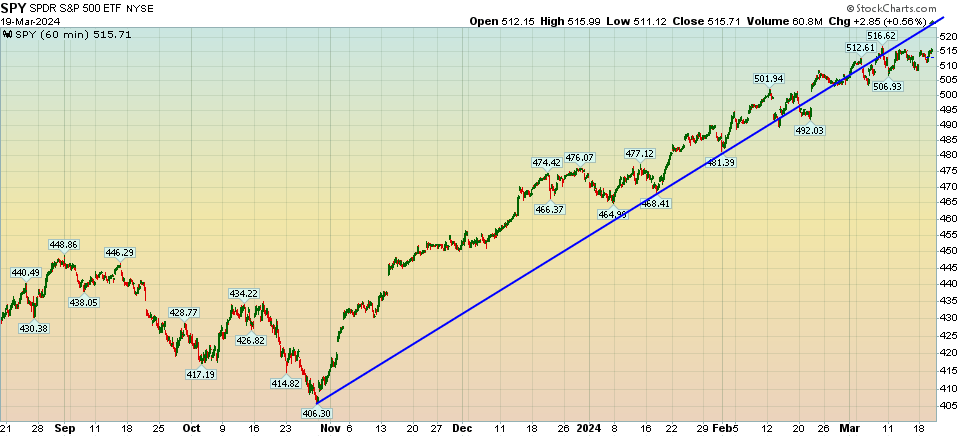
So while the indices look a little vulnerable here, there are many high quality companies and turnaround stories that are just beginning their turnaround. Here’s a sampling of names we’ve covered in past podcasts that have started their ascent from the lows but have plenty of upside ahead (in our analysis):
StockCharts StockCharts StockCharts StockCharts StockCharts StockCharts StockCharts StockCharts StockCharts StockCharts StockCharts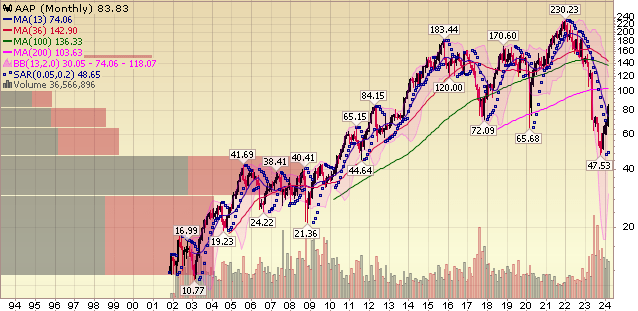
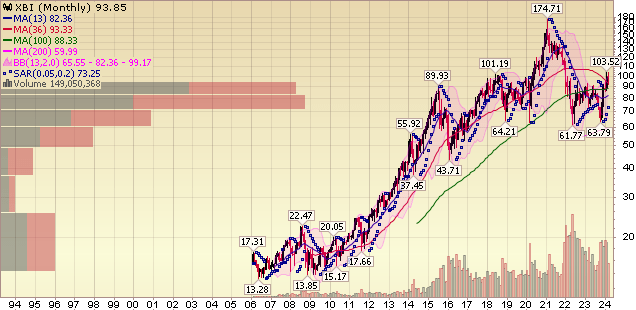
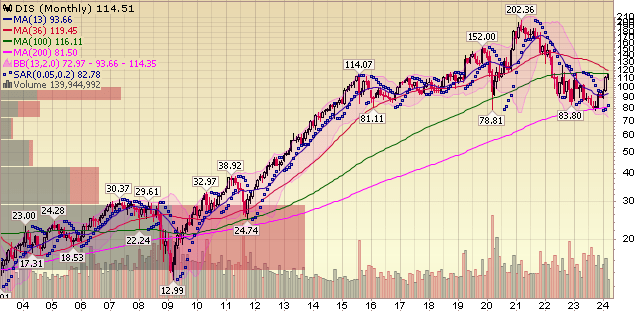
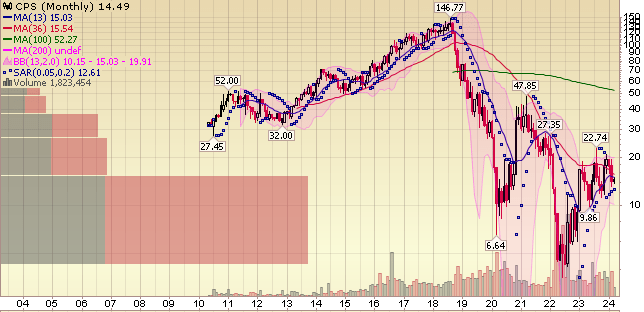
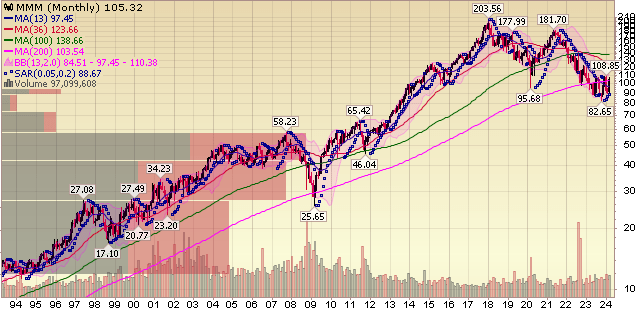
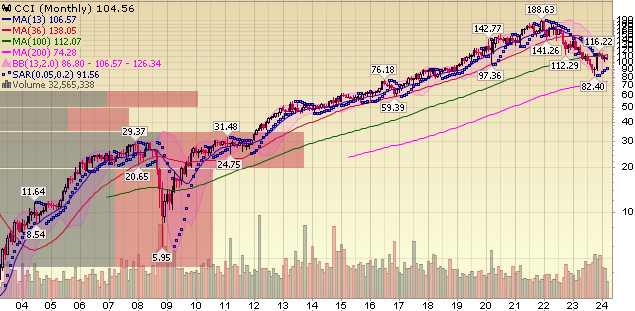
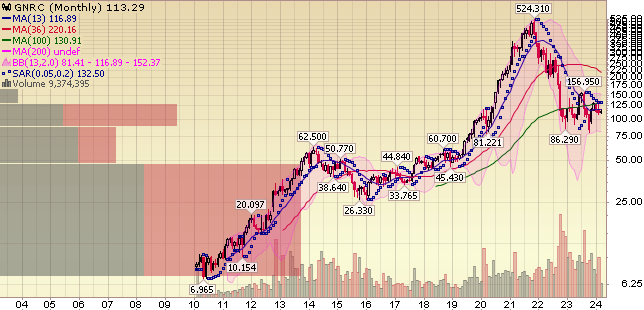
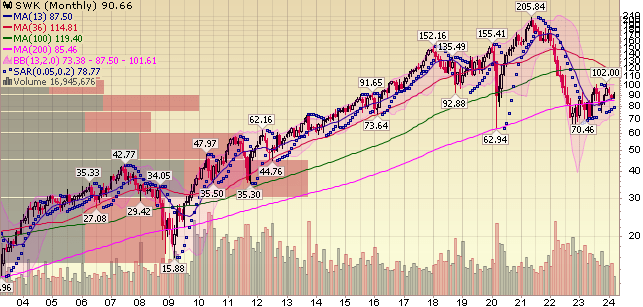
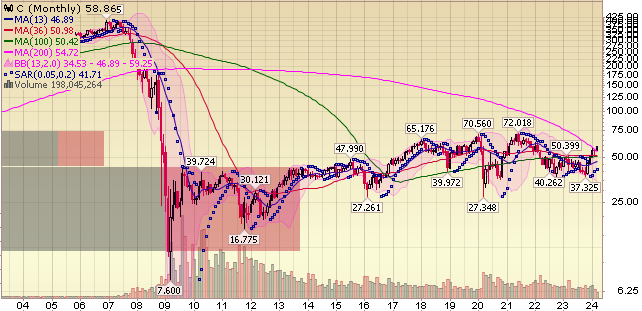
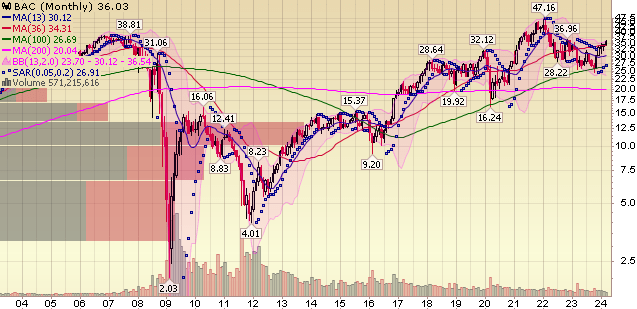
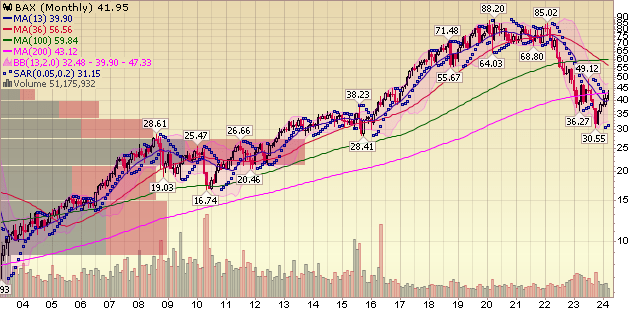
While many of these have been big moves in terms of short-term percentage gains, they are barely even getting started and not at the stages we would want to be a seller (just to avoid a little short-term bumpiness). More importantly – are some of the names we’ve discussed publicly and have barely moved or are just beginning to move – along the lines of PayPal (PYPL) and Alibaba (BABA) as well as many more we have not discussed publicly and are working on for our clients.
So yes, there are some pockets of the market that appear stretched and could use a breather – but could get more stretched first. We don’t know, which is why we buy high quality businesses (preferably generating free cash flow) that are temporarily impaired and on the mend back to normalcy. We hold them until they reach our predetermined analysis of fully valued (regardless of headlines, Fed, wars, noise, politics, etc.). We take defined risk asymmetric shorts from time to time – when the odds are in our favor for large gains and our risk is limited.
That’s what we’ve always done. That’s what we’ll always do. We don’t chase “shiny new objects” and never will. Why? #1 – We enjoy the daily “treasure hunt” for great (proven, durable) businesses at reasonable prices, and #2 – It works.
On Tuesday, we put out a summary of the monthly Bank of America “Global Fund Manager Survey.” This month they surveyed 198 managers with $527B assets under management, or AUM.
Sentiment has definitely turned bullish, but not to the extreme “obvious” levels where you want to raise a lot of cash and put more shorts on. Managers are just coming out from under their desks after missing much of the last 1.5yr rally and now chasing the “shiny objects” to catch up.
Let’s take a look at a few points:
1) The “Risk Appetite” is at the highest level since Nov 2021. On the one hand you can say “see we peaked 3 months later.” On the other hand you could say “that is normal coming out of large draw-downs like 2022.” Just look at Feb 2013 (after the 2011 crash), sentiment was at the same level and the music kept playing for another 2 years.
BofA StockCharts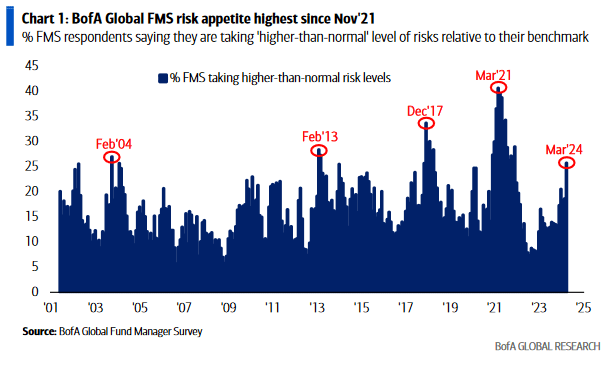
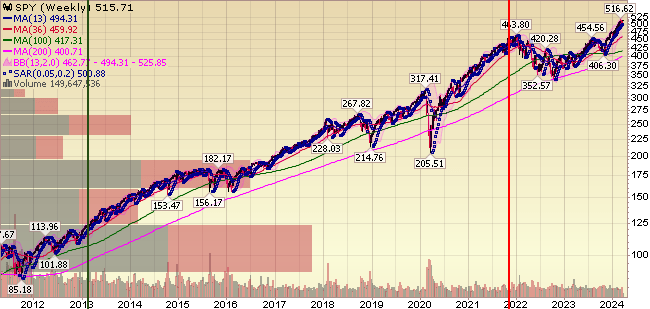
I think conditions are closer to what we saw in 2013 than 2021.
2) Managers are the “most bullish since Jan 2022,” but nowhere near a PEAK bullish level that you would ordinarily see before a MAJOR correction (10-20%+):
BofA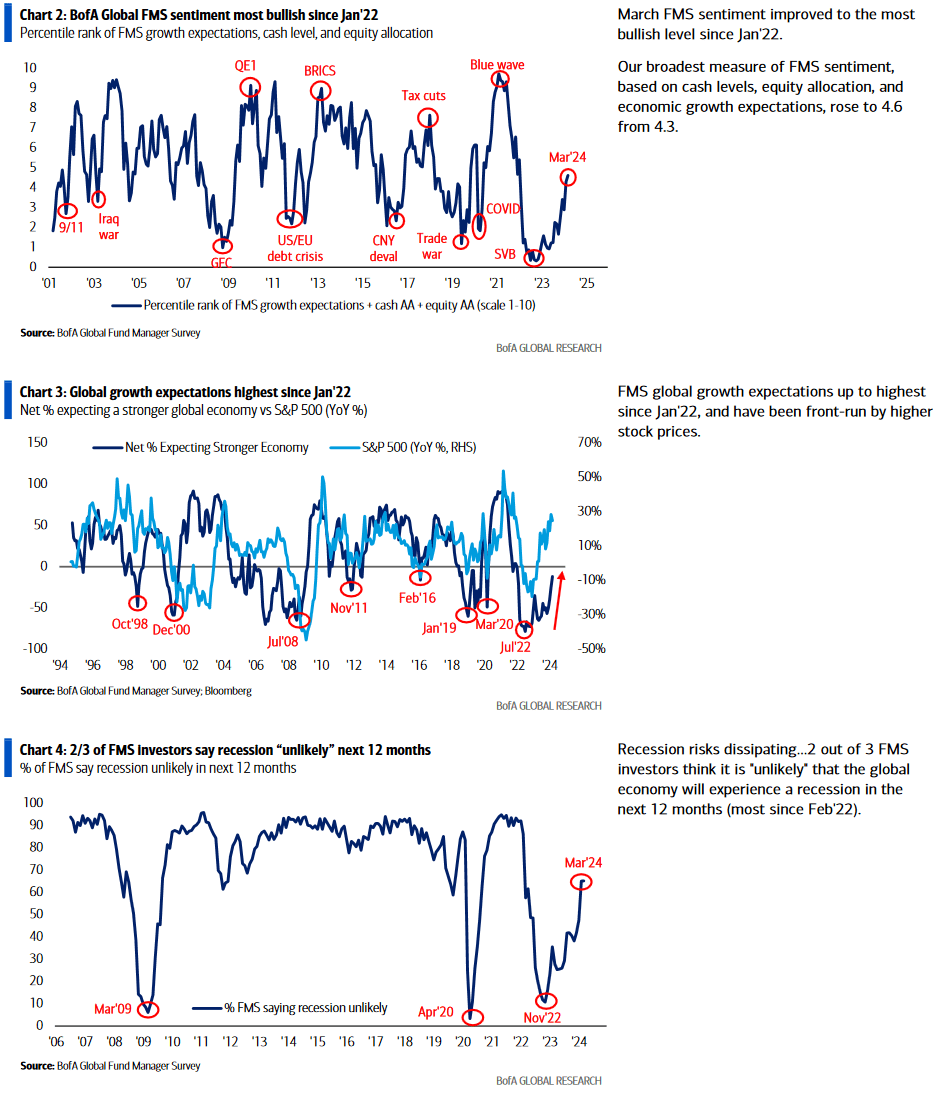
3) Cash levels are down to 4.4% from over 6%. However, the concern signal usually begins below 4%:
BofA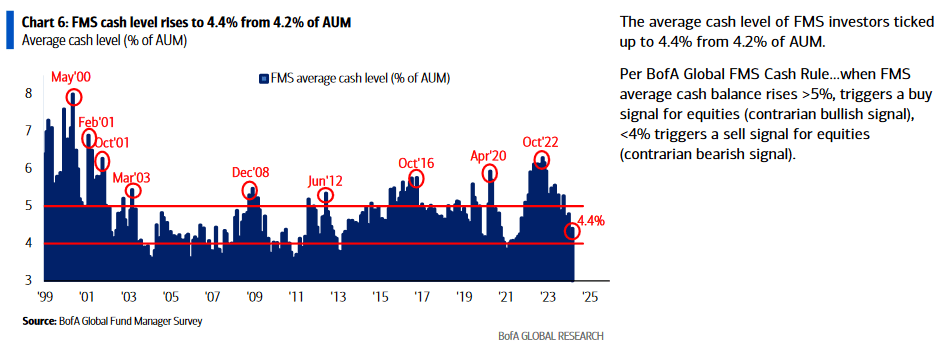
4) Managers are still overweight the “Magnificent 7” but view it as the “Most Crowded Trade!”
BofA BofA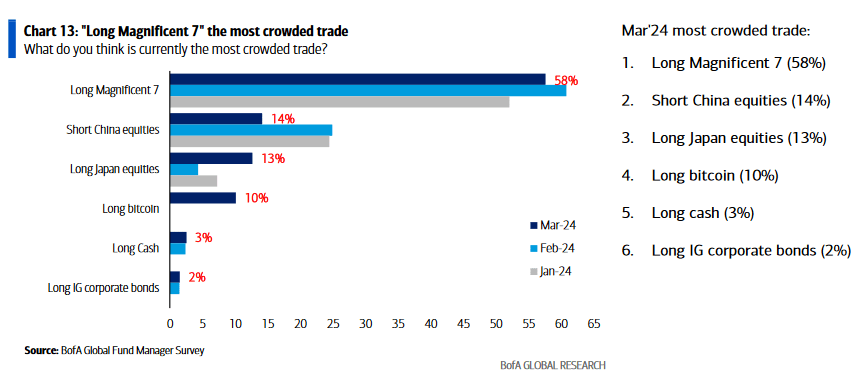
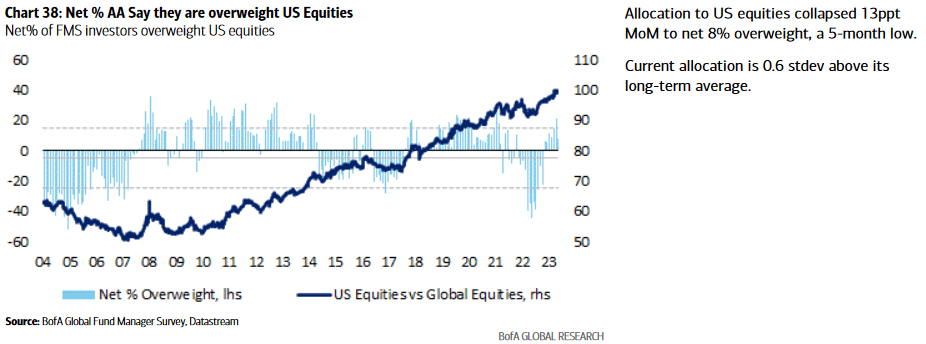
One thing I am keeping an eye on is the sea change in the global coordinated central bank policy. For the past two years, the Fed & ECB have engaged in aggressively restrictive policy to drain liquidity and put a lid on inflation. They have largely succeeded. During that time, the Bank of Japan was a regular provider of liquidity through ZIRP (zero interest rate policy), QE (buying Gov’t bonds), and open market purchases of equities (through ETFs). That has now changed as the Bank of Japan is moving to normalize its policy and begin a rate hiking cycle. Without Japan’s perpetual liquidity backstop, the Fed and ECB may not have the runway they think they have – to hold rates at current elevated levels – while keeping record debt-laden government’s borrowing costs at sustainable levels.
We will look for clues from the Fed Press Conference today as to whether they acknowledge this risk and speak in a dovish flexible tone (June is a “live meeting”) or they push a hawkish agenda – citing recent bumpiness in inflation data.
Oddly, somehow we are positioned for both.
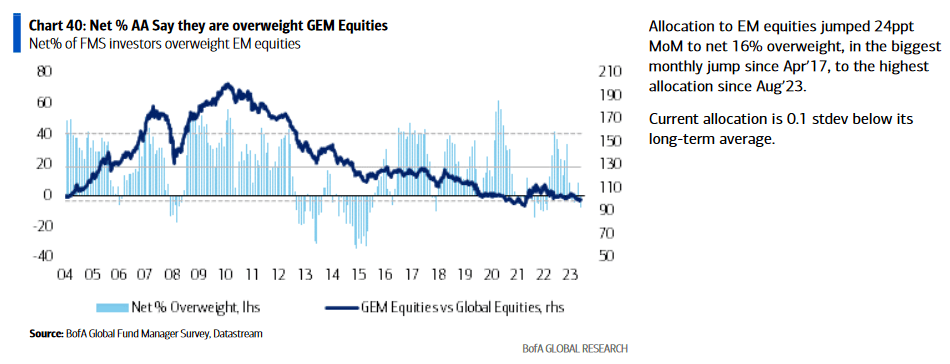
BofA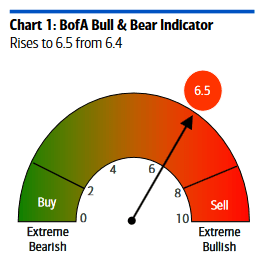
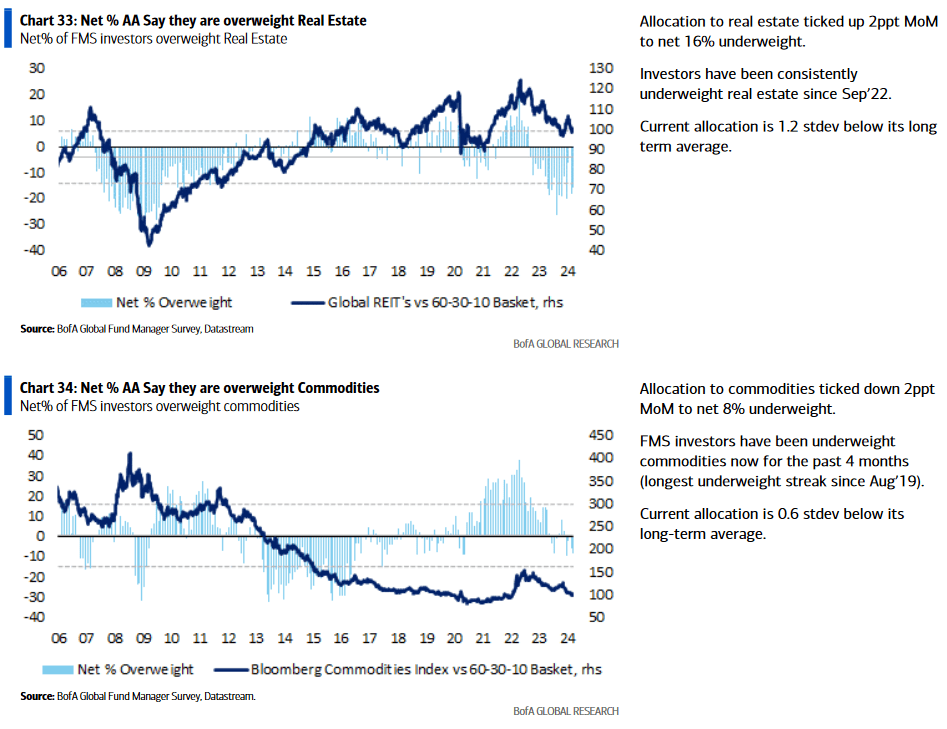
Just remember, there is always something to do:
BofA BofA BofA BofA BofA BofA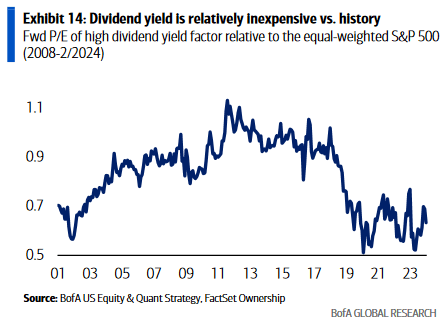
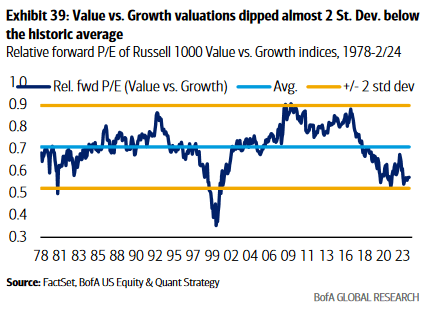
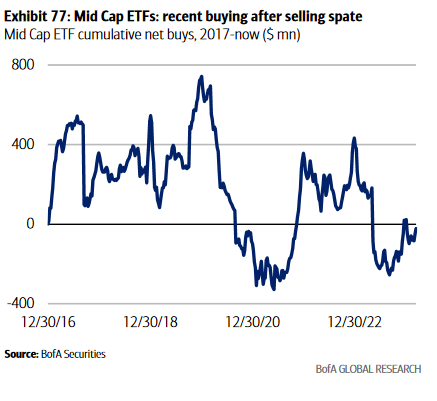
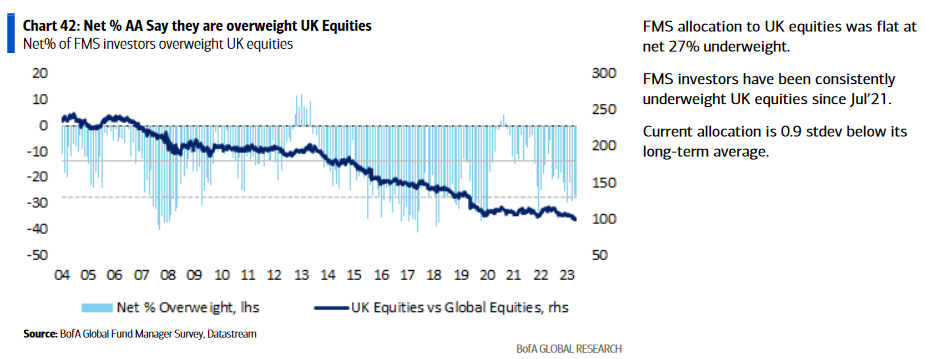
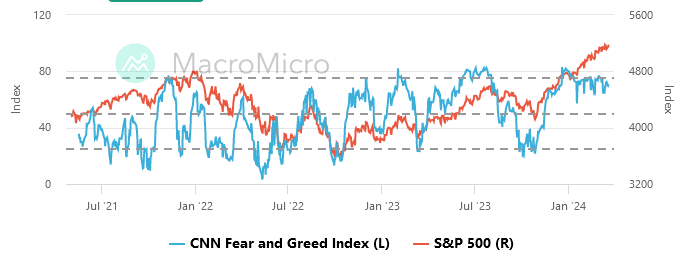
The CNN “Fear and Greed” flat-lined from 70 last week to 71 this week.
CNN Macro Micro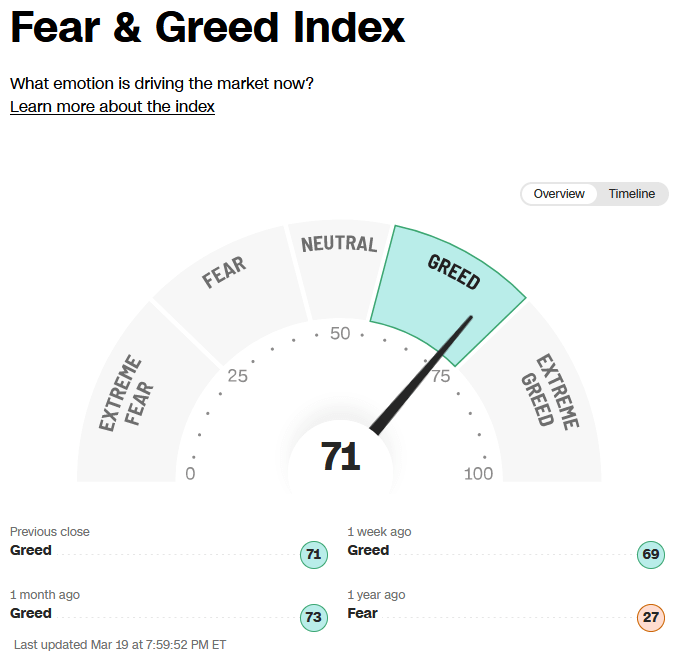
The NAAIM (National Association of Active Investment Managers Index) rose to 104.75% this week from 93.99% equity exposure last week.
StockCharts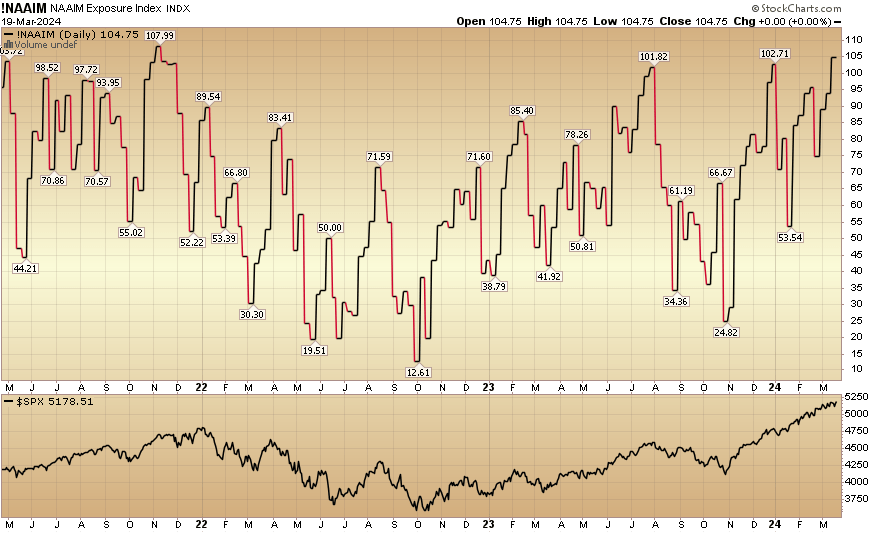
*Opinion, Not Advice.