luismmolina
luismmolina
Galapagos (NASDAQ:GLPG) has been overcoming its historical financial turmoil by repositioning itself strategically and having a focused innovation pipeline. Although collaboration revenues have declined nominally and the company has suffered a net operating loss, Galapagos has managed to curtail its R&D and G&A expenses, which demonstrates efficient cost management.
The substantial turn to oncology and immunology indicates a focus on sectors with high unmet medical needs and market impact potential. The company’s move highlights a possible growth path supported by scientific progress and focused capital allocation, which could be the pivot for future value generation.
Galapagos’ financials reflect a year of strategic realignment, as per their latest annual report. The top-line figure, collaboration revenues, has decreased by 1%, from €241.2 million to €239.7 million. A detailed look at the expenses side, however, shows a company definitely headed towards fiscal discipline. The R&D costs decreased by 11% from €269.8 million to €241.3 million. G&A and S&M costs also continued the trend with a 3% fall. Operating loss looks better, reducing substantially from €131.1 million to €88.3 million, which is a 33% improvement.
The improvement continues in the fact that the bottom line has changed dramatically from a heavy net loss of €218.0 million to a net profit of €211.7 million, a remarkable turnaround indeed. This is seen in the earnings per share, which has moved from a loss of €3.32 to a profit of €3.21 per share.
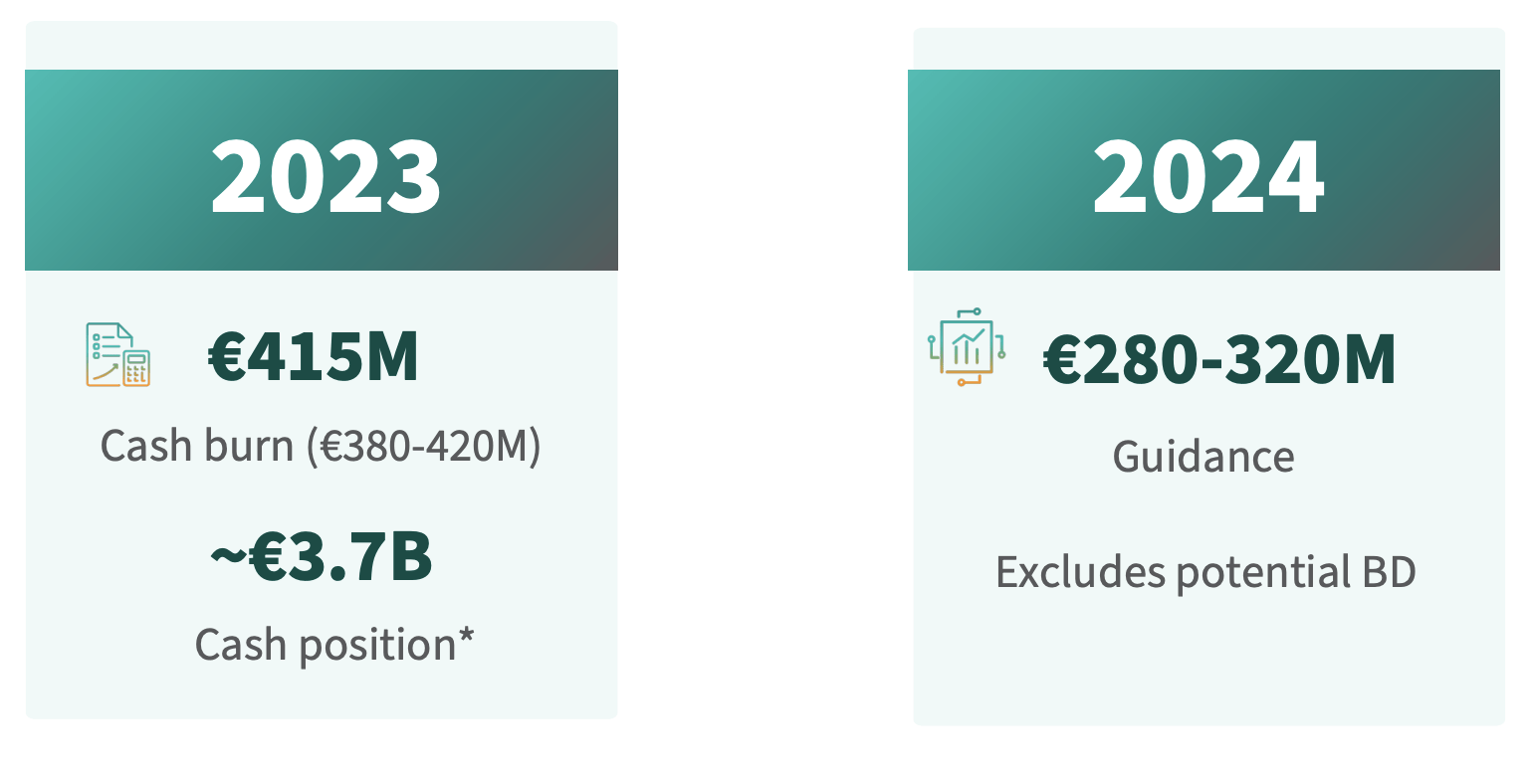
But, the financial strength of Galapagos should be balanced by the liquidity position of the company. Current financial investments, cash, and cash equivalents have decreased from €4,094.1 million to €3,684.5 million. This 10% decrease might be a sign of a shrinking financial runway that could influence the company’s operational and strategic flexibility. At this current burn rate with the aforementioned cash reserves, the company will be able to sustain operations for several more years - given this runway, liquidity issues do not seem to be a concern.
glpg.com
The last year has been a turning point for Galapagos, which has seen several strategic changes that have altered its operational focus. The company has focused its attention on oncology and immunology, which are known for being highly competitive but also for having great potential for breakthrough therapies.
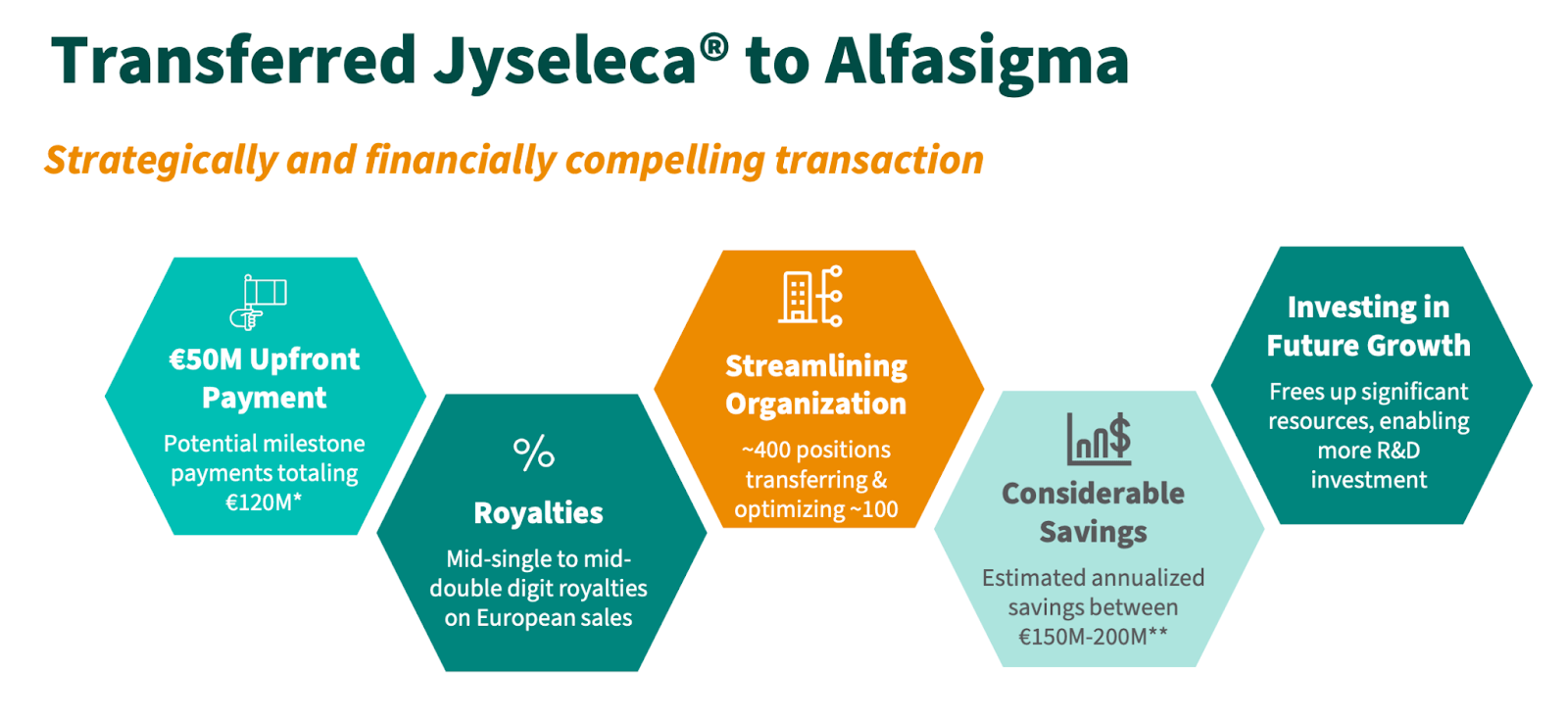
The divestment of the Jyseleca business to Alfasigma is a step that frees resources that were previously tied to mature products to be reinvested in areas that are ready for innovation. This choice reinforces the determination to not only maintaining, but also developing their core competencies in small molecules and advanced therapies such as CAR-T cells and biologics.
Nevertheless, this realignment is not free from its difficulties. Discontinuing a successful product such as Jyseleca, which had established itself in the European and Japanese markets as a treatment for rheumatoid arthritis and ulcerative colitis, means short-term loss of revenue. That said, this strategic divestment can be seen as Galapagos making a long-term bet on its commercializing capacity.
glpg.com
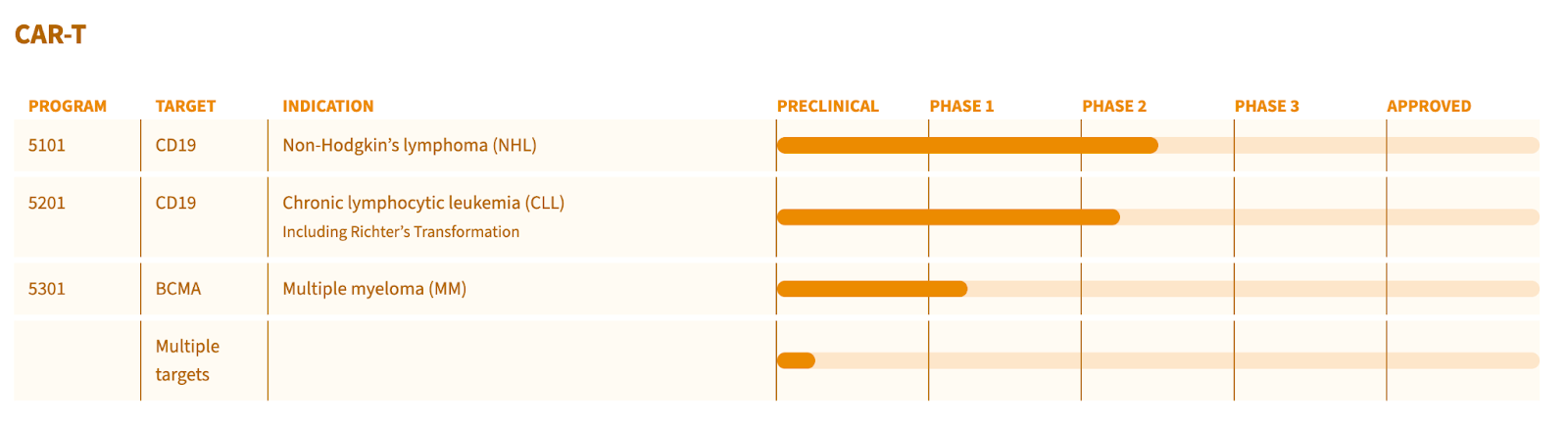
By shifting its attention, Galapagos is investing in the high-risk but high-reward potential areas of chronic lymphocytic leukemia, non-Hodgkin's lymphoma, and multiple myeloma. This transformation from a diversified portfolio to a concentrated one may simplify operations and clarify strategic goals, but it also concentrates risk into fewer, albeit more promising, ventures.
Their decision to discontinue development of the CD19 CAR-T candidate for systemic lupus erythematosus also reflects this new focus. It shows the operational discipline to cut losses on less promising or strategic misfit projects in favor of those with more commercial and therapeutic potential.
Galapagos has focused its attention on CAR-T cell therapies, an area that has been growing in popularity due to its innovative way of treating cancer. The company uses novel targets including CD19 and BCMA (B-cell maturation antigen) in its pipeline, targeting indications such as Non-Hodgkin’s lymphoma, chronic lymphocytic leukemia, and multiple myeloma.
glpg.com
The decision to halt the development of the CD19 CAR-T candidate for refractory systemic lupus erythematosus (rSLE) reflects a decisive pivot towards oncological indications where the clinical need and market opportunity may be more compelling. This repositioning could be interpreted as Galapagos making a bigger bet on indications that have a more obvious route to both regulatory approval and market acceptance.
There is no doubt that CAR-T therapies are very promising, but they are also characterized by complexity and cost, which requires a strong manufacturing and logistical infrastructure. Along these lines, the direction of Galapagos towards CAR-T cell therapy is praiseworthy. Their pipeline development strategy is characterized by a balance between clinical innovation and the practical dimensions of therapy implementation.
The early data from the EUPLAGIA-1 Phase 1/2 study indicates encouraging progress in the company’s unique point-of-care manufacturing platform. This method could make the delivery of CAR-T therapies more efficient, providing newer and more effective cellular products with a shorter vein-to-vein time. If these initial positive trends are sustained through the next stages of clinical trials, they would represent a leap forward in the accessibility and effectiveness of CAR-T therapy.
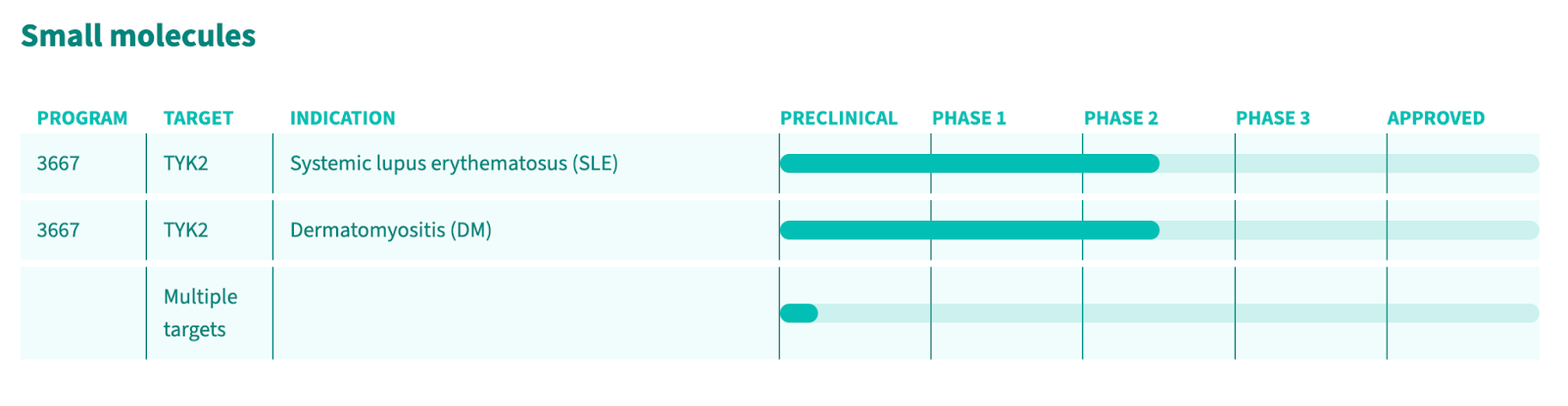
The immunology portfolio of Galapagos is a mix of small molecule programs and CAR-T therapy applications. The focus on systemic lupus erythematosus (SLE) and dermatomyositis (DM) implies a strategic choice to address conditions with significant unmet medical needs and potential for different treatment approaches.
glpg.com
The concentration on TYK2 (Tyrosine Kinase 2) inhibitors is based on the understanding of the molecular pathways in autoimmune diseases and the intention to use this knowledge for the development of new therapies. Inhibitors of TYK2 are a novel group of small molecules, which has recently started to attract attention because of their specificity and capability of modulating the immune response without the generalized immunosuppression, characteristic for other treatments.
Further research on CD19 targeting CAR-T cells in immunology is an example of Galapagos' aim to broaden its therapeutic range. This intersection means a tactical use of the technological platforms in different disease areas that may lead to the maximization of return on the investments in their core technologies.
However, these developments are not without risk. The biochemical processes of diseases and immune responses of the body are inherently complex, which is a major challenge in finding effective treatments. Also, small molecule and CAR-T therapies are expensive to develop, uncertain in clinical trial outcomes, and associated with the risk of immune reactions or ineffectiveness.
Galapagos employs a partnering strategy, as the way to innovation is frequently through synergistic partnerships. BridGene Biosciences and Thermo Fisher Scientific (TMO) are examples of Galapagos’ solid partnerships to enhance its technological capability and manufacturing infrastructure.
These partnerships are not only logistical refinements. In collaboration with BridGene Biosciences, Galapagos gains new compounds that could help expand its pipeline. On the other hand, the collaboration with Thermo Fisher Scientific is anticipated to improve the company’s CAR-T manufacturing capabilities, making it cheaper and more scalable—two critical areas in the CAR-T space.
Nevertheless, such strategic alliances can come with caveats. They can accelerate the development process and enable quicker market launch, but they also mean reliance on external parties, which introduces another level of complexity and vulnerabilities.
Galapagos’ strategic collaborations should be considered by investors as a growth lever, but investors should also recognize the dependencies these represent. The key for Galapagos will be finding the balance between internal innovation and external collaboration.
Galapagos' release of early translational data from its EUPLAGIA-1 Phase 1/2 study offers an enlightening glimpse into the effectiveness and practicality of its CAR-T cell therapy, GLPG5201. The clinical data, especially for relapsed/refractory chronic lymphocytic leukemia (rrCLL) and Richter transformation (RT), is quite promising.
The results of the study show that patient recruitment for the Phase 1 dose-finding part is complete, with 15 patients enrolled and treated in total. The vein-to-vein process, the collection, manufacturing, and reinfusion of the CAR-T cells, is remarkable with a median of seven days, demonstrating the efficiency of the company’s manufacturing platform.
The rise in early phenotypes of CD4+ and CD8+ CAR-T cells following infusion indicates that the product could elicit a stronger and more lasting immune response, which could lead to better clinical outcomes. The observation of persisting CAR-T cells even 15 months after infusion is especially encouraging, as prolonged persistence is usually associated with durable remission in hematologic malignancies.
The TTM Price to Sales ratio of Galapagos is 8.68, a lot higher than the sector median of 4.04. This premium could be explained by the high expectations of its innovative pipeline and strategic attention to high-value areas such as oncology and immunology. On the contrary, the forward P/S ratio falls to 5.03, which is closer to the sector median of 3.99, showing the market’s revised expectations for future sales after the disposal of Jyseleca.
In terms of value against the book, the PB ratio for Galapagos is favorable compared to the sector median of 2.48, with a TTM P/B of 0.74. The forward P/B ratio is only 0.42 further strengthening the argument of a potentially underpriced asset base. This makes sense in the context of Galapagos’ story - the transition of Galapagos and the associated risks, as well as the significant investment needed to bring its pipeline to commercial success, should be included when considering these metrics.
Galapagos, like any biotech, carries a set of inherent risks. Clinical trial risk is paramount in the biotech industry, where positive preliminary data does not always lead to successful phase 3 trials or regulatory approval. Galapagos' strategic shift to focus on oncology and immunology places its future on a few high-risk projects that may encounter unforeseen challenges.
Another significant risk involves executing the strategic transition from established products, such as Jyseleca, to a focus on CAR-T cell therapies and small molecules in oncology and immunology. This shift requires not only scientific and clinical expertise but also a strategic vision for navigating regulatory landscapes, forging partnerships, and successfully entering markets against established competitors.
Financial sustainability is also crucial. While Galapagos has demonstrated an ability to manage costs and pivot strategically, its future success relies on continued investment in its pipeline and technology platforms. The company's cash burn rate and its ability to secure additional funding or generate revenue through partnerships will be vital to support its operations and research initiatives.
Market forces and competition introduce another layer of complexity. The fields of oncology and immunology are highly competitive, with numerous companies vying for market share and innovation leadership. Galapagos' ability to differentiate its products and secure a market presence will be key to the company’s long-term success.
Galapagos’ path is undeniably challenging going forward, from the fundamental nature of drug development to the logistical difficulties of executing a major strategic shift. Still, it offers a possibility of high returns, as evidenced by the positive initial clinical data and the strategic alliances which are aimed to reinforce its technology and manufacturing capabilities.
Also, the company’s financial performance, which is characterized by controlled costs and strategic repositioning of its portfolio, shows a company that is conscious of the direction it is taking towards sustainable growth. The company’s decision to focus on high-potential, high-need areas in oncology and immunology places it in a position to make products with significant value in the near-future, but not without significant execution and market risks.